
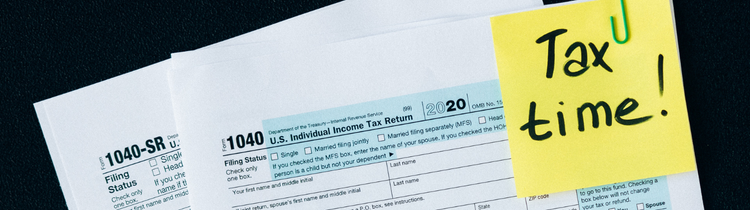
Selling a home in North Carolina can create tax questions about gain, basis, selling expenses, federal exclusions, state filing, and special situations such as divorce, inheritance, or rental use. Tax results depend on your facts. This guide is general information only—not tax advice—so review the transaction with a qualified tax professional before closing.
Will I Owe Tax When I Sell a North Carolina Home?
A sale may create a gain or loss, but a gain is not simply the difference between the purchase price and the contract price. The calculation can depend on your adjusted basis, qualifying improvements, selling expenses, prior use of the property, and whether the home was your main residence. Do not assume you owe tax—or qualify for an exclusion—without reviewing the details.
For federal tax purposes, the IRS generally looks at the amount realized from the sale, your adjusted basis, and whether an exclusion or special rule applies. A home sale can also have different treatment from a transfer between spouses or former spouses under a divorce agreement.
The tax result is fact-specific. A high sale price does not automatically mean the entire increase is taxable, and a direct cash sale does not automatically eliminate tax. Keep your closing statement, purchase records, improvement receipts, and tax documents for your advisor.
How the Home-Sale Gain Is Calculated
A simplified starting point is to compare the amount realized from the sale with your adjusted basis. Selling expenses and qualifying capital improvements may affect the calculation. The actual result can be more complicated when the property was rented, used for business, inherited, jointly owned, or transferred during divorce.
Your adjusted basis often begins with what you paid for the property and may be changed by qualifying improvements, certain costs, depreciation, or other adjustments. Your tax professional can help identify which records matter and how the rules apply.
The length of ownership and use can matter, but time alone does not answer the tax question. The IRS main-home exclusion has ownership and use requirements, and rental or business use may affect the amount that can be excluded.
The IRS currently describes a possible exclusion of up to $250,000 of gain for an eligible individual or up to $500,000 for certain married couples filing jointly. Eligibility, filing status, prior exclusions, nonqualified use, and other facts matter. Review IRS Publication 523 and your tax advisor before relying on any exclusion.
When a Main-Home Exclusion May Apply
An exclusion may be available when the property was your main home and you satisfy the applicable ownership and use requirements. The exclusion is not automatic, and special rules can apply to separate returns, divorce, rental use, partial exclusions, and previous home sales.
The commonly discussed $250,000 and $500,000 amounts are maximum federal exclusions for qualifying situations—not guaranteed deductions for every seller. Confirm your eligibility and the amount of any gain with a tax professional.
Questions to review with your tax professional include:
- Did you own the home for at least 2 years during the 5-year period before the sale?
- Did you use the home as your main residence for at least 2 years during that 5-year period?
- Have you avoided claiming the home-sale exclusion on another home sale during the applicable 2-year period?
If you are unsure how the rules apply, gather your records and speak with a tax professional before signing closing documents. NCSoldEasy can explain the direct-sale process, but we do not provide tax or legal advice.
Special Situations That Need Extra Review
A tax professional should review the transaction carefully if any of these circumstances apply:
- A transfer of the home to a spouse or former spouse as part of a divorce agreement
- A home received through inheritance or a change in ownership after a death
- Rental or business use, including depreciation claimed or allowable
- Joint ownership, separate tax returns, or a planned buyout
- A previous home sale, partial exclusion, or period when the home was not your main residence
- A large gain, uncertain basis, or missing purchase and improvement records
Records That Can Help Calculate Gain
Start by gathering the purchase documents, settlement statement, records of qualifying improvements, depreciation information if applicable, and prior tax returns that may affect the calculation.
Your tax professional may use those records to determine the adjusted basis and amount realized. Do not rely on a rough estimate when a large gain, inherited property, rental use, or divorce-related transfer is involved.
Closing costs, commissions, repairs, liens, mortgage payoff, and the final distribution of proceeds are separate parts of the transaction. Ask your closing attorney and tax professional how each item should be documented and reported.
Get Tax and Sale Guidance Before Closing
Tax questions should go to a qualified tax professional who can review your ownership history, residence, basis, filing status, and any rental or divorce issues. NCSoldEasy can review a North Carolina property and explain a written cash offer with no obligation. Call (919) 858-2782 or contact us to discuss the property and timeline.